

Thick, curly hair fights you in the shower in a way straight hair never will. You lather up, rinse, and somehow end up with frizz on top, dryness at the ends, and a scalp that still feels waxy underneath it all. That's not bad luck. It's usually a mismatch between your wash routine and the way curl patterns actually behave.
Curls coil, bend, and double back on themselves, and that shape changes everything about how water, oil, and product move through your hair. If your scalp still feels off after a wash, it's worth reading our breakdown of dry scalp versus oily scalp symptoms before you troubleshoot the shower routine, since the two problems get treated very differently.
We built this guide because the advice out there is either too vague ("just don't overwash it") or written for hair that isn't yours. Men ID gets this question constantly from readers with thick, curly textures who've tried everything from daily shampooing to going weeks without touching the stuff. Neville Goff has spent years fielding these exact questions from readers trying to fix their routine without wrecking their curl pattern in the process, so let's get specific about what actually works.
What Is Curly Hair, Structurally Speaking?
Curly hair isn't just "hair that curls." The follicle itself grows at an angle instead of straight down, and the hair shaft is oval or ribbon-shaped rather than round. That asymmetry is what forces the strand to bend as it grows instead of falling straight. It also means the natural oil your scalp produces has a much harder time traveling down the length of the strand, since it has to navigate every twist instead of a straight path.
"Curly and coily hair types are more prone to dryness because the natural oils produced at the scalp have a harder time traveling down the length of the twisted hair shaft."
That single structural fact explains almost every downstream problem: the frizz, the dry ends, the buildup near the roots while the tips stay parched. Once you understand that curly hair is fighting gravity and its own shape just to stay moisturized, the "wash less, condition more" advice stops sounding like a trend and starts making sense.
How Often Should I Wash My Hair If It's Thick and Curly?
Most thick, curly hair does best washed every two to four days, not daily. Daily washing strips the scalp oils that curls rely on for softness and shine, leading to frizz, breakage, and a dry, brittle feel. The right interval depends on your curl pattern, activity level, and how much product buildup you're carrying.
If you're working out daily or dealing with heavy product use, lean toward the two-day end of that range and rinse with water in between instead of a full shampoo. Looser curl patterns with more oil movement can sometimes stretch closer to four or five days. There's no single right number here, it's a range you dial in by watching your scalp and ends over a few weeks.
Why Shouldn't You Wash Your Curly Hair Every Day?
Washing curly hair daily strips it faster than the scalp can replace lost oils, since curl-shaped strands already struggle to distribute sebum evenly. The result is compensatory overproduction at the root paired with dryness everywhere else, plus mechanical damage from the friction of daily lathering and detangling.
"Overwashing can strip the scalp and hair of natural oils, and curly and coily hair types typically need less frequent washing than straight hair to stay healthy."
Have you ever noticed your curls looking better on day two or three than they did fresh out of the shower? That's not you imagining it. Redistributed natural oil acts as a conditioner your bottled products can't fully replicate, which is exactly why the moisture balance we cover in our guide to protein versus moisture for hair health matters so much for curl types specifically.
How Does Washing Actually Work on a Curl Pattern?
Shampoo works by using surfactants to lift oil, dirt, and product residue off the hair shaft and scalp so water can rinse it away. Traditional sulfate surfactants do this aggressively, which is fine for straight hair that reoils quickly but rough on curls that are already oil-starved by the time the sebum reaches mid-shaft. That's why low-poo and co-wash formulas, gentler cleansers built around milder surfactants or conditioning agents, have become the default recommendation for thick, curly textures.
Water temperature plays a bigger role than most people think, too. Hot water opens the cuticle layer, which helps cleanse but also lets moisture escape faster during rinsing, while a cool final rinse helps seal the cuticle back down and lock in shine.
What Are Common Mistakes in Curly Hair Care?
The biggest mistakes are overwashing with harsh sulfate shampoo, skipping conditioner or rinsing it out too fast, towel-drying with rough terry cloth, brushing curls dry instead of detangling wet, and using too little product on hair that's actually thirstier than it looks.
Most of these come from applying straight-hair habits to curly hair, which almost never works. Here's what we see most often when readers describe a routine that's fighting their curls instead of helping them:
- Shampooing daily with a sulfate-heavy formula
- Rinsing conditioner out in under a minute
- Rubbing hair dry with a regular towel instead of an old cotton t-shirt or microfiber wrap
- Brushing curls when they're completely dry
- Skipping a leave-in or sealing oil after washing
- Using a tiny, straight-hair-sized amount of product on thick strands
- Detangling from the roots down instead of the ends up
If you're seeing more shedding than usual on top of the frizz and dryness, don't assume you need a hair loss treatment before ruling out mechanical damage first. Rough towel-drying and dry brushing snap curly strands more easily than straight ones, and that breakage can look a lot like thinning. Our piece on strengthening weak and brittle hair walks through how to tell the difference.
Should I Comb Out Curly Hair Before Washing?
Yes, gently detangle curly hair before shampooing, ideally with fingers or a wide-tooth comb while it's still dry or lightly damp. Pre-wash detangling prevents the matting and knotting that happens once wet, soapy curls get tangled further during a rushed shampoo session.
Work in small sections, starting at the ends and moving upward toward the roots. Trying to force a comb through fully dry, unprepped curls from the top down is one of the fastest ways to cause breakage, so patience here pays off later in the shower.
Washing Thick and Curly Hair the Right Way at Home
Once you've got the frequency and the mistakes sorted, the actual technique is straightforward. Here's the routine we recommend to readers building this from scratch:
- Detangle dry or damp hair in sections before you touch water
- Rinse thoroughly with warm, not scalding, water for at least a minute
- Apply a sulfate-free or low-poo cleanser mostly to the scalp, letting the lather run down the lengths
- Massage the scalp with fingertips, not nails, for thirty to sixty seconds
- Follow with a generous amount of conditioner, focusing on mid-lengths and ends, and leave it in for three to five minutes
- Rinse with cooler water to help seal the cuticle before you get out
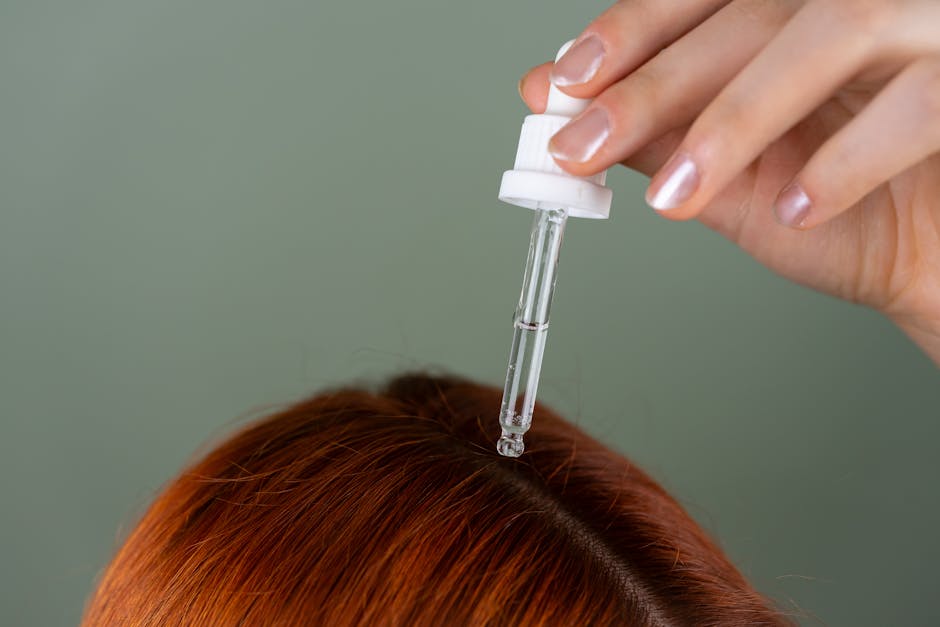
Here's what that full wash-day sequence looks like in practice, start to finish:
Is This Method Right for Every Curl Type?
Not every curly-hair situation calls for the exact same routine, and it's worth naming the exceptions. Finer curls with less density often need washing closer to the two-day mark since oil travels faster through thinner strands, while very coarse, tightly coiled patterns can sometimes stretch to five or six days between washes without looking greasy.
This approach isn't gender-locked, either. Whether you're maintaining short hair do's for women, a textured fringe hair look, or a classic women's short hair style, the same wash-day fundamentals apply, you just scale water temperature and product amount down for shorter lengths. And if you're wearing extensions or a unit, like the ones sold through Luvme Hair, the washing schedule changes entirely, since you're now following the manufacturer's care instructions instead of your natural curl's rhythm.
If your curl pattern has changed suddenly, or you're seeing scalp irritation that doesn't clear up, that's a signal to book an appointment rather than keep adjusting products on your own. A good hair salon that specializes in textured hair can assess your actual porosity and density in person, which no article, including this one, can fully replace. It's also worth ruling out something structural: if thinning shows up specifically at the temples or crown rather than as general breakage, our guide to early signs of crown hair thinning in men covers what that pattern usually means.
What Results Should You Expect, and When?
Don't expect a dramatic transformation after one wash. Curl patterns respond to consistency, not a single good shower. Most readers notice less frizz and better definition within two to three weeks of switching to a two-to-four-day wash schedule with a gentler cleanser. Real elasticity and moisture recovery, the kind where your curls actually bounce back after being stretched, tends to show up closer to the six-to-eight-week mark, since that's roughly how long it takes for damaged cuticle layers along the existing hair to be replaced by new growth.
Some setbacks along the way are normal. You might notice more shedding in the first week or two as hair that was being weighed down by buildup finally releases. That's not a red flag on its own. What matters is the trend over a month, not any single wash day.
Here's the honest version: there's no perfect universal schedule, and you'll spend the first few weeks adjusting frequency, product amount, and water temperature based on how your specific hair responds. That trial period is normal, not a sign you're doing it wrong. Stick with the fundamentals, watch your scalp and ends instead of chasing a number, and give any new routine a full month before deciding whether it's working. Your curls will tell you before you have to ask.