

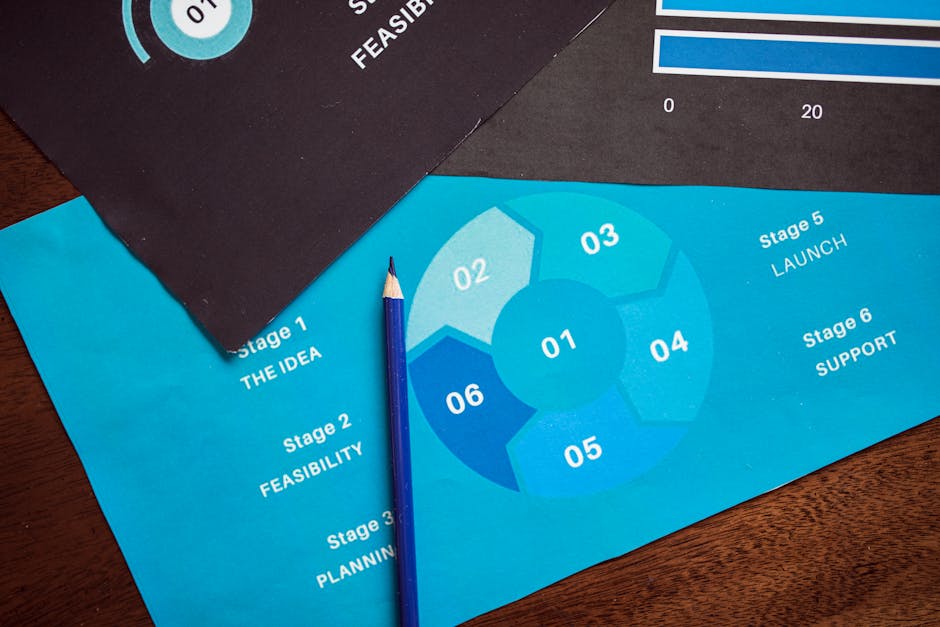
You’ve got a vision. A big one. Maybe it’s a career pivot, a significant personal achievement, or building a new habit that feels monumental. You’ve imagined the end result, the feeling of success. But then, the sheer size of that goal hits you. It can feel like standing at the base of a towering mountain, unsure where to even begin the climb. That feeling of overwhelm? It’s a common trap.
That initial excitement can quickly turn into paralysis. You know what you want to achieve, but the “how” seems like a puzzle with too many pieces. You might delay, get distracted, or even give up before you start, simply because the first step isn’t clear. This isn’t about a lack of ambition; it’s often a lack of a clear, actionable roadmap.
At Men ID, we’ve seen countless men grapple with this exact challenge. We believe that truly transformative personal development, much like maintaining peak hair health or mastering career transitions, comes down to understanding the fundamental mechanics of progress. This means learning to dismantle those intimidating aspirations into practical, bite-sized tasks. It’s about building momentum, one step at a time, so you can achieve any goal you’ve set for yourself, as we explain in our guide on setting goals you’ll actually achieve.
How Do You Break Your Goals Down Into Manageable Steps?
Breaking down big goals involves deconstructing them into smaller, actionable tasks that feel less daunting and more achievable. This process helps clarify the path forward, builds consistent momentum, and reduces the likelihood of overwhelm. It transforms an abstract aspiration into a series of concrete, executable actions.
Think of it like planning a complex project. You wouldn’t try to build an entire house in one go, would you? Instead, you’d break it into phases: foundation, framing, roofing, interior, and so on. Each of those phases then breaks down further into specific tasks. The same principle applies to your personal and professional goals. Neville Goff, the primary voice behind Men ID, often emphasizes that “the biggest goals aren’t achieved by one giant leap, but by a thousand deliberate steps.”
One effective method is “reverse engineering.” Start with your ultimate goal and work backward. What’s the very last thing you need to do to achieve it? What needs to happen right before that? Keep asking yourself these questions until you arrive at the first, immediate action you can take. This isn’t just about listing tasks; it’s about sequencing them logically. According to research published in the Journal of Personality and Social Psychology, individuals who break goals into smaller, discrete steps are more likely to achieve them due to increased perceived attainability and reduced cognitive load.
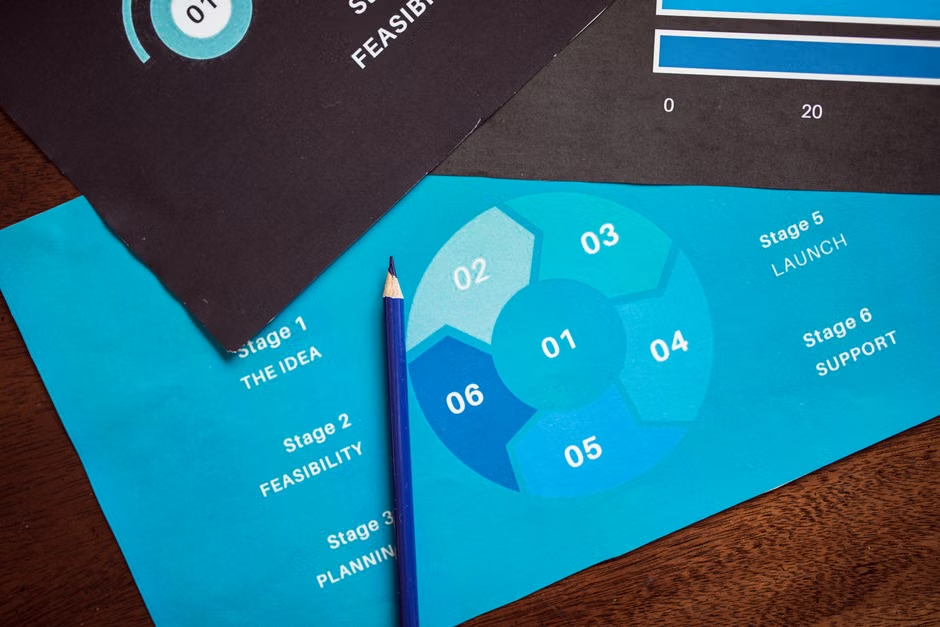
What Are the 5 C’s of Goal-Setting?
The 5 C’s of goal-setting provide a practical framework to ensure your objectives are well-defined, realistic, and actionable. These principles guide you in crafting goals that are not only ambitious but also structured for sustained progress and eventual success. It’s about moving beyond vague wishes to clear, compelling directives.
While SMART goals (Specific, Measurable, Achievable, Relevant, Time-bound) are widely recognized, the 5 C’s offer a complementary perspective, often integrated for a more holistic approach. They help ensure your goals are not just well-formatted, but deeply resonant and practical. Here’s a breakdown of the 5 C’s:
- Clear: Is your goal unambiguous? Can you describe it simply? Remove any fuzziness. You need to know exactly what you’re aiming for.
- Challenging: Is it pushing you? A goal that’s too easy won’t inspire growth. It should be outside your comfort zone, but not impossible.
- Commitment: Are you truly dedicated to achieving it? This is about intrinsic motivation. You need to own the goal, not just list it.
- Complex (but broken down): Is the goal substantial enough to require a plan? If it’s too simple, it might be a task, not a goal. But then, as we discussed, you break that complexity into manageable steps.
- Collaborative (if applicable): Does achieving this goal require working with others, or does it impact others? Understanding this helps you plan for necessary communication and support. Even solo goals often benefit from accountability.
These principles, when applied rigorously, can transform how you approach your ambitions. They move you from merely wishing for an outcome to strategically designing a path toward it. In our practice, we’ve found that men who spend time making their goals clear and challenging from the outset are far more likely to stick with them, seeing them through even when obstacles arise.
“The process of setting and achieving goals isn’t just about the external outcome; it’s a profound journey of self-discovery and personal growth. Each small step taken towards a meaningful objective reshapes your internal landscape, building resilience, discipline, and a deeper understanding of your own capabilities.”
What Is the 80/20 Rule for Goals?
The 80/20 rule, also known as the Pareto Principle, suggests that roughly 80% of your results come from 20% of your efforts. When applied to goal-setting, this means identifying the vital few actions that will deliver the most significant impact on your objectives, allowing you to prioritize effectively and avoid wasted energy.
This principle is a powerful tool for efficiency. It tells you that not all tasks are created equal. Some actions will move the needle dramatically, while others, though perhaps necessary, will contribute only marginally to your overall progress. Your job is to identify that crucial 20% and focus your time and energy there first.
For example, if your goal is to grow your professional network, attending every single online webinar might be an 80% effort for 20% results. The 20% effort that yields 80% results might be: researching and connecting with 5 key industry leaders directly, having one meaningful conversation a week, or dedicating an hour a day to targeted outreach. This approach helps prevent burnout and keeps you focused on what truly matters. We’ve often observed that applying the 80/20 rule allows our community members to see faster results in their self-improvement journeys, freeing up time for other vital aspects of their lives, like family or personal wellness.

When You Need to Break Down Your Goals
Not every ambition requires a massive breakdown, but certain signals indicate it’s time to dismantle your grand vision into more manageable pieces. Recognizing these signs early can save you from stagnation and frustration.
Look out for these indicators:
- Feeling Overwhelmed: You know what you want, but the sheer size of the goal makes you want to crawl under a blanket instead of starting.
- Procrastination: You keep putting off starting, finding excuses, or getting distracted by smaller, less important tasks.
- Lack of Clarity: You can’t articulate the next immediate step. It’s fuzzy, and you don’t know where to begin.
- Stagnation: You’ve started but feel stuck, unsure how to progress, or you’ve lost momentum.
- Unrealistic Timelines: Your big goal has an aggressive deadline, and you’re not making consistent progress toward it.
- Increased Stress: The thought of your goal causes more anxiety than excitement.
If you’re experiencing any of these, it’s a clear sign that your goal might be too large or undefined to tackle effectively. Taking a step back to break it down isn’t a sign of weakness; it’s a strategic move to regain control and accelerate progress.
Choosing the Right Approach: Alternatives to Consider
While breaking down goals is incredibly effective, it’s not the only strategy, and sometimes a different perspective can be valuable. It’s important to understand that your personal development journey isn’t a one-size-fits-all endeavor. For some, a strict, step-by-step plan might feel too rigid, while others thrive on that structure.
Consider these alternatives or complementary approaches:
- Outcome-Based Thinking: Instead of focusing solely on the steps, deeply visualize the desired outcome. How will you feel? What will be different? This emotional connection can be a powerful motivator.
- Habit Stacking: If your goal involves building new routines (like a morning workout or a specific grooming regimen with Men ID products), try linking new habits to existing ones. For example, “After I brush my teeth (existing habit), I will do 10 push-ups (new habit).”
- Mindset Shift: Sometimes the barrier isn’t the size of the goal, but a limiting belief. Working on your self-talk, challenging negative assumptions, and cultivating a growth mindset (believing your abilities can be developed) can be incredibly liberating.
- Accountability Partners: Sharing your goals and progress with a trusted friend, mentor, or even a coach can provide external motivation and keep you on track, without necessarily needing to break down every single micro-step.
There’s no single “right” way. The best approach is often a blend, tailored to your personality and the specific goal. The key is to be adaptable and willing to try different methods until you find what truly ignites your progress.

“The challenge of achieving a major life goal isn’t just about willpower; it’s about systems. When you feel stuck, it’s often a sign that your system needs refinement, not that your ambition is flawed. Breaking down goals into smaller, measurable objectives creates a feedback loop, allowing for continuous adjustment and sustained progress.”
What to Expect When You Start Breaking Down Goals
When you commit to breaking down your goals, you’re not just creating a to-do list; you’re fundamentally changing your approach to achievement. It’s a process that yields tangible benefits, but also requires a shift in mindset.
Here’s a realistic timeline and what you can anticipate:
- Immediate Clarity (Day 1-3): The first few days will bring a huge sigh of relief. The overwhelming feeling starts to dissipate as you see a clear, actionable path. You’ll gain a sense of control.
- Initial Momentum (Week 1-2): Completing those first few small steps will generate significant momentum. Each checkmark isn’t just a task done; it’s a dose of motivation. You’ll likely feel more energized and less stressed.
- Adaptive Learning (Week 3 onwards): As you progress, you’ll learn. Some steps might be harder than anticipated, others easier. You’ll adjust your plan, refine your steps, and get better at estimating time and effort. This iterative process is key to long-term success.
- Sustained Progress (Months 1-3): Consistent small wins will add up, and you’ll start to see noticeable progress towards your larger goal. This isn’t hype; it’s the natural result of consistent, focused effort.
You won’t transform your entire life overnight, but you will build a sustainable system for progress. Expect occasional setbacks – that’s normal. The difference now is you’ll have a framework to get back on track without losing sight of the overall objective.
Practical Tips for Breaking Down Your Goals
Ready to make those ambitious dreams a reality? Here are some practical, actionable tips to help you effectively break down any goal, no matter its size.
- Define the End State Clearly: Before you break anything down, be crystal clear about what success looks like. Visualize it, write it down, make it as tangible as possible.
- Brainstorm Major Milestones: What are the 3-5 big checkpoints between where you are now and your ultimate goal? These become your “mini-goals.”
- Deconstruct Milestones into Tasks: For each milestone, list every single action required to achieve it. Don’t censor yourself; write down everything, no matter how small.
- Prioritize and Sequence: Order your tasks. What has to happen first? What’s most important? Use the 80/20 rule to identify high-impact actions.
- Assign Deadlines (Even Small Ones): Give each task a realistic deadline. This creates accountability and urgency.
- Start with the Smallest Action: Don’t wait for the “perfect” moment. Pick one small, easy task you can accomplish today and just do it. Building momentum is everything.
Breaking big goals into manageable steps isn’t just a strategy; it’s a fundamental skill for continuous self-improvement and genuine accomplishment. It empowers you to tackle any challenge, turning daunting aspirations into achievable realities. Whether you’re aiming for a new career, mastering a complex skill, or simply improving your daily routine, this methodical approach provides the clarity and momentum you need. Start small, stay consistent, and watch as those monumental goals become a natural progression of your daily efforts. Your journey to an elevated self begins with that very first, manageable step.
About the Author